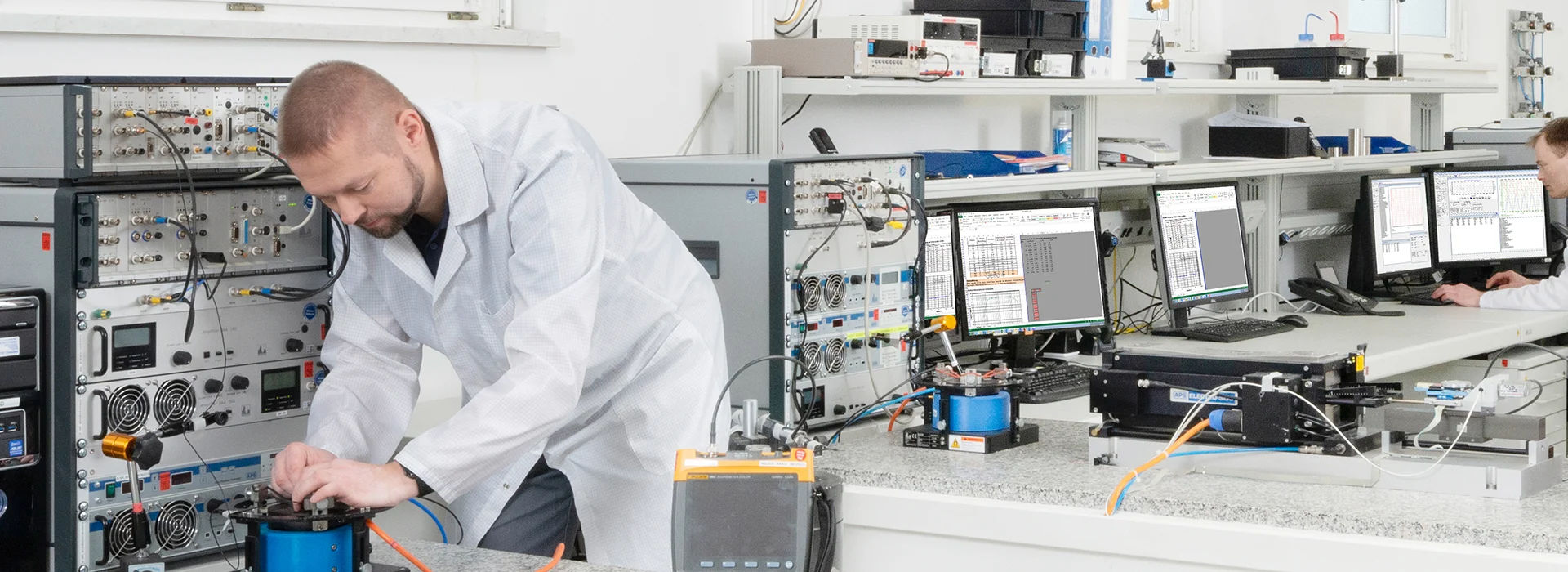
Calibration is about more than just meeting regulatory requirements. It forms the basis for reliable measurements, consistent product quality, operational safety and informed decision-making. Whether you are validating sensors in automotive development, maintaining aerospace test equipment, operating navigation systems or ensuring production quality, the trustworthiness of every measurement ultimately depends on the calibration behind it.
Many organizations automatically send their measuring instruments back to the original equipment manufacturer (OEM) for calibration. While this may seem like the safest option, it is often the least efficient, flexible and cost-effective choice. A manufacturer-independent calibration laboratory provides traceable measurement results and greater flexibility across different technologies and brands, offering a compelling alternative. So, what are the top five benefits of an independent lab?
What is a manufacturer-independent calibration laboratory?
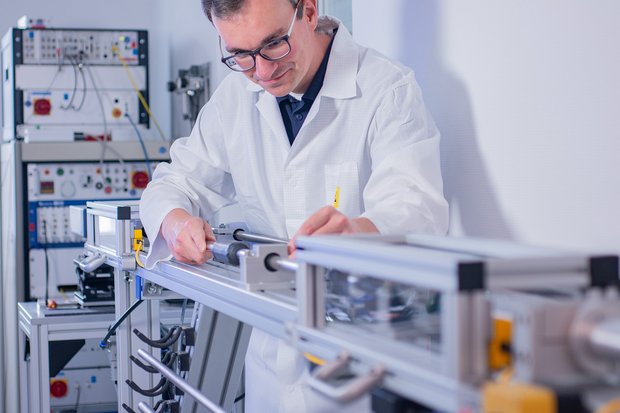
A manufacturer-independent calibration laboratory is a specialized service provider that operates independently of the OEM. Rather than selling instruments or service contracts, it focuses on delivering objective, traceable and internationally recognized calibration results.
For customers, this means calibration decisions are based solely on metrological requirements, precise regulations and accreditations, rather than commercial interests or criteria defined by the manufacturer.
At SPEKTRA LABS, we ensure that your measurement systems perform as intended and that your calibration results withstand the highest technical and regulatory scrutiny.
What are the key advantages of an OEM-independent calibration laboratory?
1. Objective, reliable measurements and calibration results
An independent laboratory prioritizes measurement accuracy and technical requirements over selling or promoting specific instruments, thus providing objective, reliable results. This impartial approach yields transparent results and helps companies make informed decisions about their equipment.
2. Simplifying the management of measuring instruments
Modern test environments often include sensors, vibration measurement systems and reference standards from different manufacturers. Working with one independent laboratory can simplify supplier management by standardized documentation and reduced administrative effort.
3. Less downtime, more flexibility
Calibration downtime can put tests, production and development projects on hold. That's why choosing a reliable, manufacturer-independent calibration partner with short turnaround times makes all the difference. Independent laboratories can offer flexible service options tailored to customer requirements, including priority services and on-site calibration where available. Shorter turnaround times help keep critical equipment in operation.
4. Confidence through accreditation
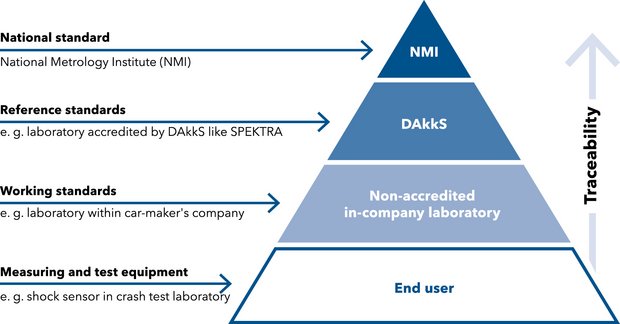
ISO/IEC 17025 accreditation demonstrates a laboratory's technical competence and its ability to deliver valid, traceable calibration results within its accredited scope. Accreditation supports quality assurance and provides documented evidence for audits and compliance requirements both for the laboratory and for the customer’s measuring equipment.
5. Cross-brand expertise
An independent laboratory works across manufacturers and technologies, providing a broader perspective on measurement challenges. This expertise can help customers assess measurement uncertainty, review calibration intervals and develop suitable calibration strategies – offering more than just calibration itself.
SPEKTRA LABS combines specialized metrology expertise with manufacturer-independent calibration services. Our customers benefit from:
- more than 30 years of experience in testing and calibration
- services performed using high-precision test and calibration systems developed and manufactured by SPEKTRA
- ISO/IEC 17025-accreditation
- flexible service options, including on-site calibration where available
- traceable results and comprehensive documentation – available anytime, anywhere in the SPEKTRA Hub
- us actively shaping standards for new technologies and measurands by working in committees and technical panels
Author:
Audrey Stein
Business Development / Marketing Lead at SPEKTRA
Stay up to date and subscribe to our newsletter.

Author:
Audrey Stein
Business Development / Marketing Lead at SPEKTRA
Stay up to date and subscribe to our newsletter.