


SPEKTRA's S-TEST Lab systems offer solutions for system testing on a wide range of sensor types. Thanks to the compact test hardware, it is possible to check whether the sensors are functioning and performing correctly, even in the early stages of development. The system components, which can be configured in a flexible manner, allow a quick response to a wide range of test requirements and sensor types. Early testing in the laboratory also reduces the subsequent implementation time for mass-production tests.
- Characterization of inertial sensors and small assemblies
- Load test and endurance test for magnetic sensors
- Function and performance tests for pressure and acoustic sensors (MEMS microphones)
- End-of-line testing, calibration/adjustment of sensors
The controller is the foundation of every system:
Learn more about the compact S-TEST/2 for up to 8 sensors

- Hands-on standard systems and turnkey solutions for laboratories
- Components that can be expanded in a flexible manner for extensive custom configurations
- Wide range of excitation variables enables a variety of sensor system tests
- Expertise and support from our engineers around the world
- Consulting and custom-tailored systems, specially designed for your challenges and applications
Flexible options. Many possibilities. Real system solution.
The S-TEST Lab systems provide a wide variety of sensor system tests for development and laboratory environments. Their system components, which can be configured in a flexible manner, also allow users to react quickly to various test requirements and sensor types. From parametric tests, functional tests, measured value comparison to characterization – our system solutions give sensor developers extensive options for identifying design errors at an early stage.
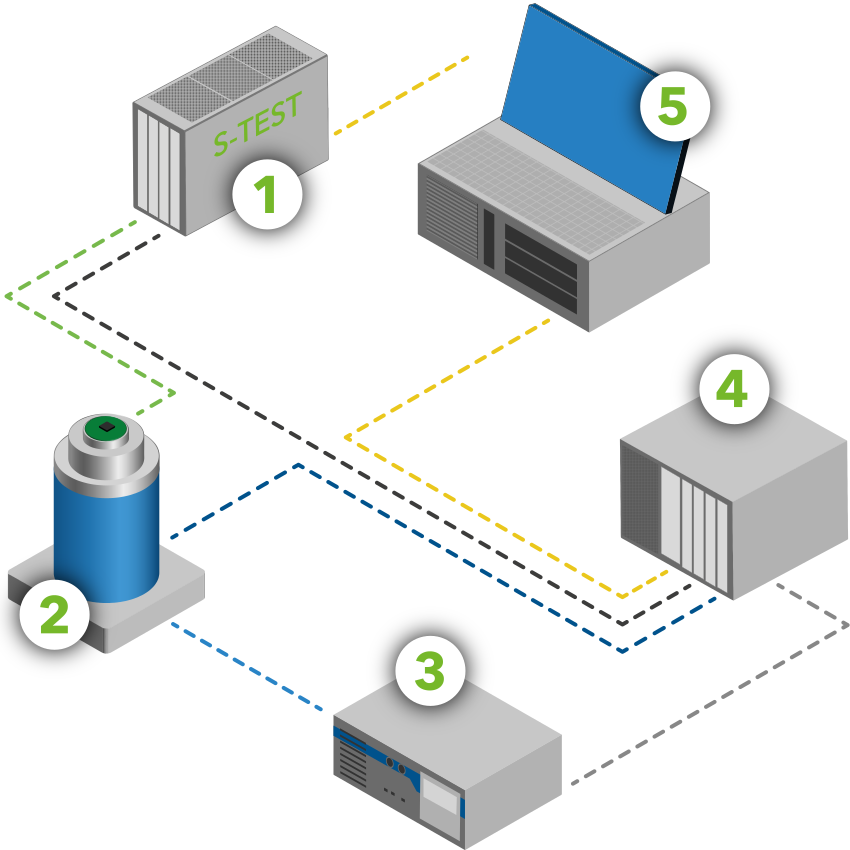
Based on the requirements of your sensor tests, you can choose from a wide range of different exciters (Fig: "2"). These were completely developed at SPEKTRA and are manufactured at our production facility in Dresden. A combination of different exciters is also possible.
With the selection of power amplifiers (Fig: "3"), which were specially developed for our systems, we supply an important component. Individual operating modes and protective functions are available for the respective exciters.
The vibration control systems (Fig: "4") are based on the powerful and freely configurable PXI system from National Instruments®. Our sensor communication devices are specially designed to communicate with SPEKTRA’s high performance exciters. Thanks to their special features, versatile applications can be realized in the most diverse areas.
Flexibility is our creed. That's why we offer more options, accessories and add-ons, so you can get the system that is exactly right for your individual tasks.Benefit from the technical know-how of our experts for your specific challenge.
S-TEST Lab systems
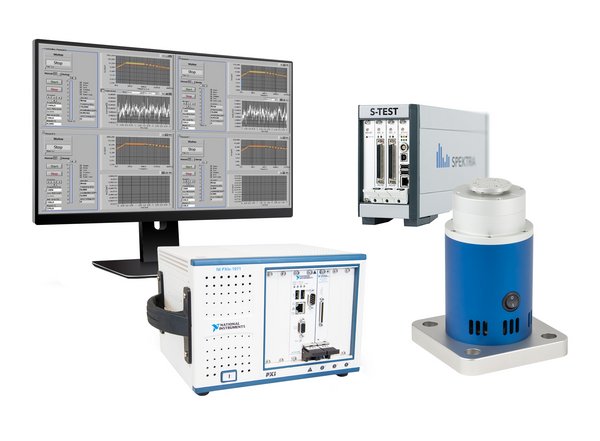
S-TEST Lab DRE
A typical application here is the determination…
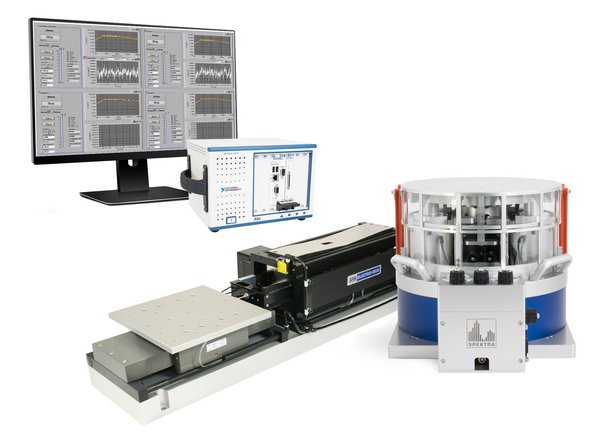
S-TEST Lab ALF

S-TEST Lab AHF
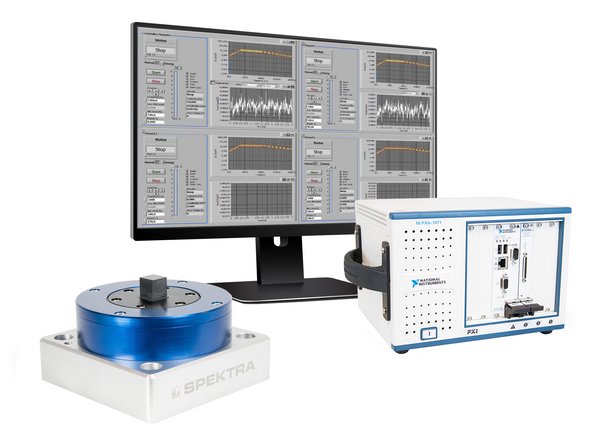
S-TEST Lab VHF
The S-TEST Lab VHF is based on the SE-16 vibration exciter, which…

S-TEST Lab AMF
These have been…
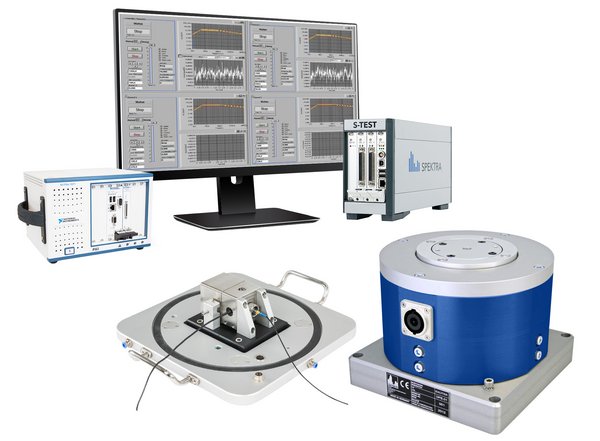
S-TEST Lab DPE
An impulse with a…
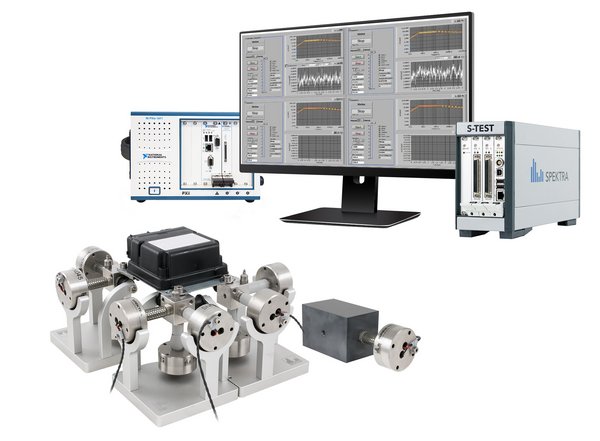
S-TEST Lab APC
…

S-TEST Lab STS
The shock excitation allows a very…
Our clients include many well-known international companies. We’ll configure the perfect test system for you, too!


Energy
sector
Sensors monitor vibrations and conditions in wind turbines and generators, enabling the early detection of faults and ensuring efficient and safe operation.

Automotive
industry
MEMS sensors measure acceleration, rotational speed and orientation in vehicles, enabling precise driver assistance systems, stability control and reliable safety systems.
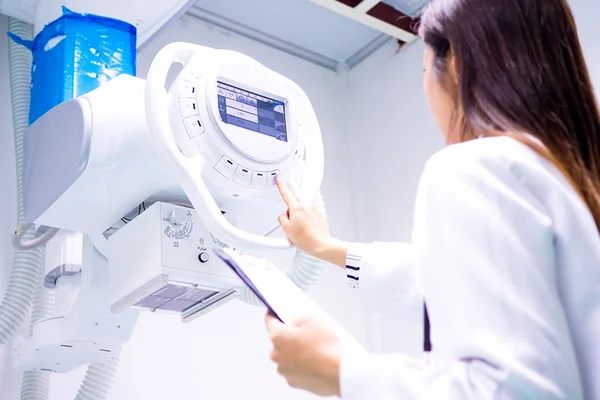
Medical
technology
Digital sensors precisely detect movements and position in medical devices, enabling reliable diagnostics, minimally invasive procedures and safe patient monitoring.

Research &
development
In R&D, sensors undergo systematic testing to ensure accurate, reproducible and reliable measurements, and to guarantee valid results and robust models.
